Green Mile
The Green Mile is the lime-colored linoleum corridor that runs the length of E Block at Cold Mountain Penitentiary, serving as the final walk for condemned men on their way to the electric chair, Old Sparky. It is the central symbolic and physical space of the novel, a place where the boundary between life and death is measured in sixty paces, and where the story's most profound encounters between guards and prisoners take place.
Layout and Physical Description
The Green Mile runs approximately sixty long paces from south to north, from the restraint room at the bottom to a T-junction at the top. The floor is covered with linoleum the color of tired old limes, giving the corridor its name. At the T-junction, a left turn leads to life—the exercise yard and the general prison population—while a right turn leads through Paul Edgecombe's office and into the storage room where Old Sparky sits on a plank platform. The corridor is flanked by six cells, three on each side, each almost twice as large as ordinary prison cells. The entire block is lit by 200-watt bulbs in wire cages, and half the lights along the Mile burn from nine until five every morning, a detail that John Coffey, afraid of the dark, specifically asks about upon his arrival.
Function and Ritual
The Green Mile is the path of execution. Condemned men walk it from their cells to the storage room, passing through Paul Edgecombe's office, where they often pause to pray before making the final right turn. The walk is a ritualized passage: guards flank the prisoner, the corridor is kept quiet, and the only sound is the jingling of chains. The phrase "Dead man walking" is sometimes called out, as Percy Wetmore does when escorting John Coffey onto the block. The Mile is also where the guards perform their most important work—"getting the talk started" with the condemned, helping them maintain their sanity in the final hours. Paul Edgecombe reflects that the Mile is like an intensive-care ward in a hospital, where quiet and control are essential.
Symbolic Significance
The Green Mile represents the liminal space between life and death, a place where the condemned take their last steps as living men. The color green, associated with the linoleum, suggests both the sickly pallor of death and the faint hope of life—a left turn at the T-junction leads back to the exercise yard, while a right turn leads to the chair. The Mile is also a space of moral reckoning: it is where Paul Edgecombe witnesses John Coffey's healing powers, where Percy Wetmore commits his cruelties, and where the guards confront the weight of their own complicity in state-sanctioned killing. The corridor's width—deliberately designed so that prisoners cannot be reached from the cells—becomes a lesson in survival, as Percy learns when William Wharton grabs him through the bars for straying too close.
Key Events on the Mile
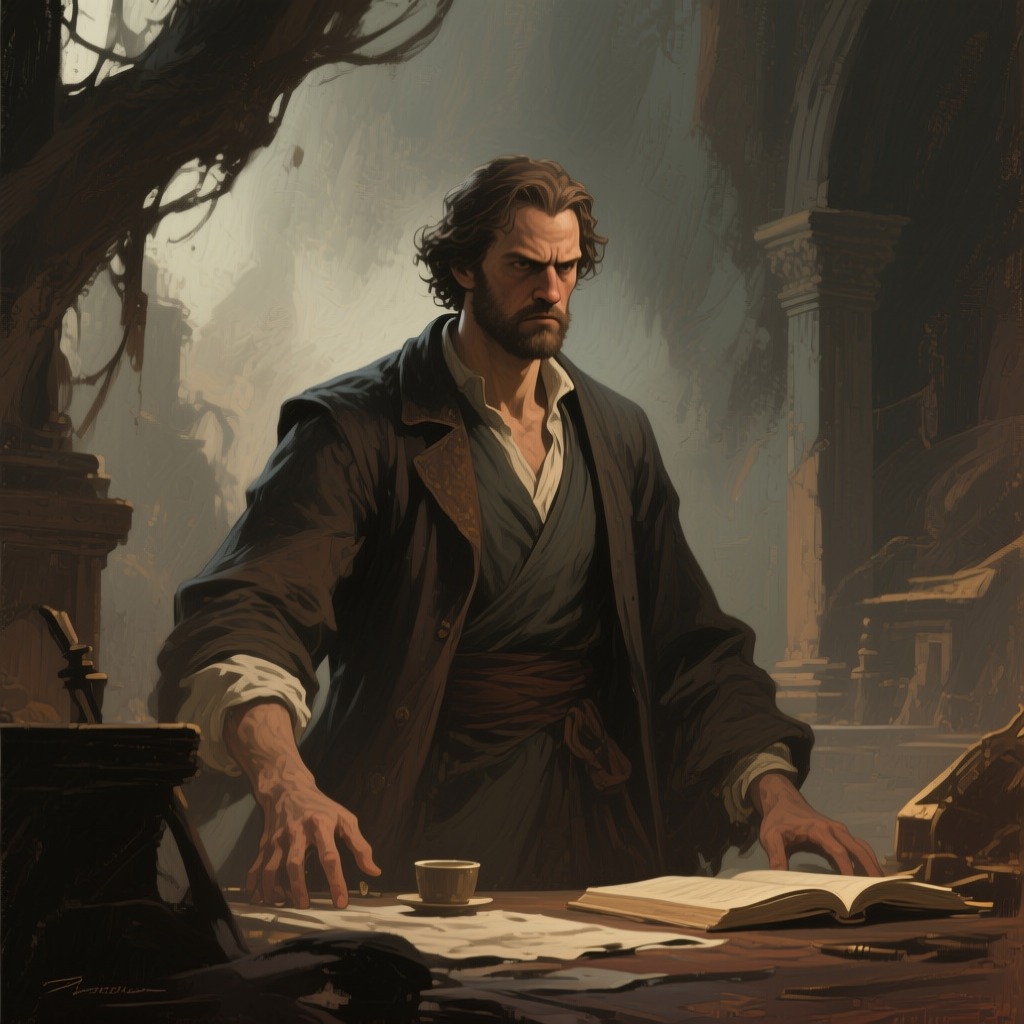
The Green Mile is the setting for nearly every major event in the novel. John Coffey's arrival, when Percy Wetmore hauls him down the corridor shouting "Dead man walking!" establishes the giant's presence. The mouse, Mr. Jingles, first appears trotting up the Mile as if checking the cells, and later performs his spool trick there. Percy Wetmore stomps Mr. Jingles on the Mile, breaking his back, and John Coffey heals the mouse in his cell just off the corridor. The botched execution of Eduard Delacroix, with his face catching fire and his eyes bursting from their sockets, takes place at the end of the Mile in the storage room. William Wharton attacks Dean Stanton on the Mile, wrapping a chain around his throat. And John Coffey himself walks the Mile to his execution, asking not to be masked because he is afraid of the dark.
Aftermath and Legacy
The Green Mile ceases to function as a death row corridor when Cold Mountain Penitentiary closes in 1933, moving sixty miles down the road to Brighton. Paul Edgecombe never walks the Mile with another prisoner after John Coffey's execution; he and Brutus Howell agree that night in the restraint room that they cannot do the job any longer. In his old age, writing from the Georgia Pines nursing home, Edgecombe returns to the Mile in memory, finding that the act of writing unlocks doors he had not known were there. The Green Mile becomes a metaphor for the long, slow passage of his own life—"sometimes, oh God, the Green Mile is so long"—as he outlives his wife, his friends, and even Mr. Jingles, the mouse that John Coffey healed sixty years before.